
Dela
Subtitle: New EU and California laws require AI companies, and eventually camera makers, to sign their media outputs. It's our best chance to tell what's real.
Eddan Katz, Head of Policy & Gov Affairs at Encypher — August 13, 2026
Two days before Slovakia's 2023 parliamentary election, a fabricated audio clip spread widely on social media, appearing to catch a leading candidate and a prominent journalist discussing how to rig the vote. The following year, nonconsensual pornographic deepfakes of Taylor Swift amassed over 45 million views on X in less than 24 hours. In summer 2025, an elderly woman in Ontario lost her life savings to a cryptocurrency scam, which began with a Facebook advertisement featuring a deepfake of Prime Minister Mark Carney.
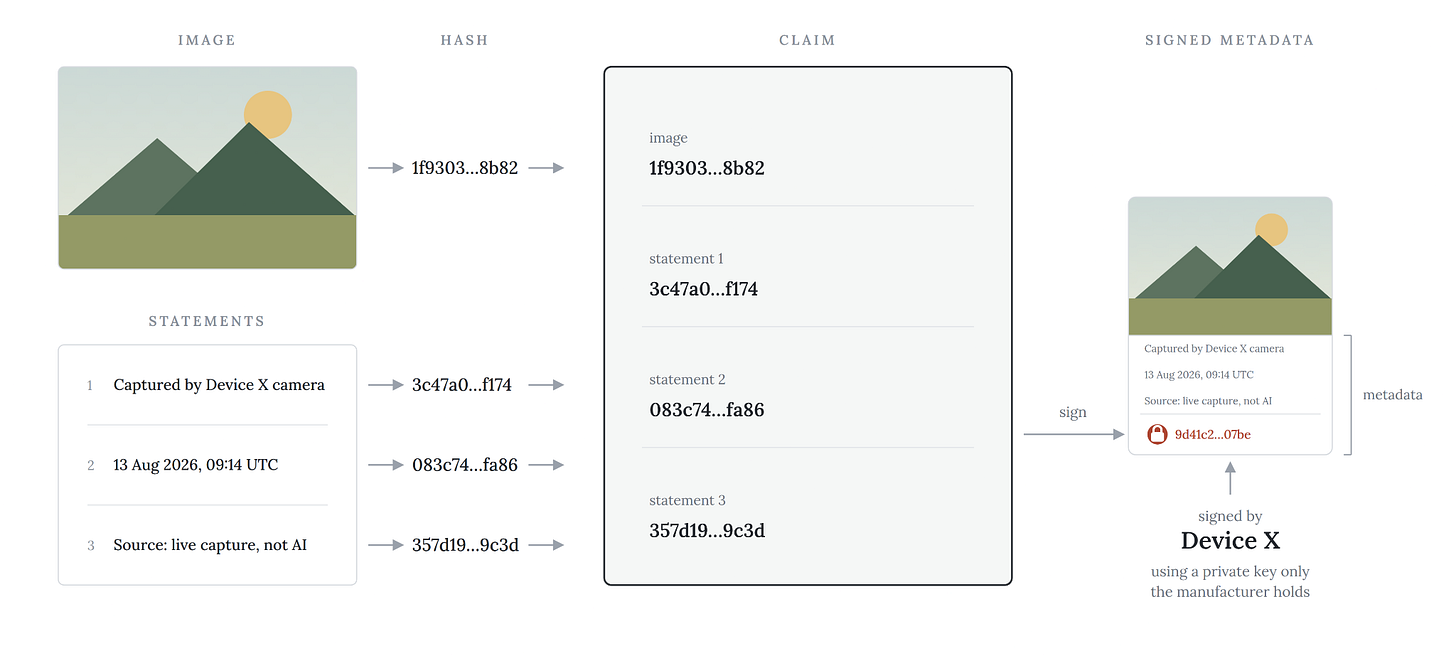
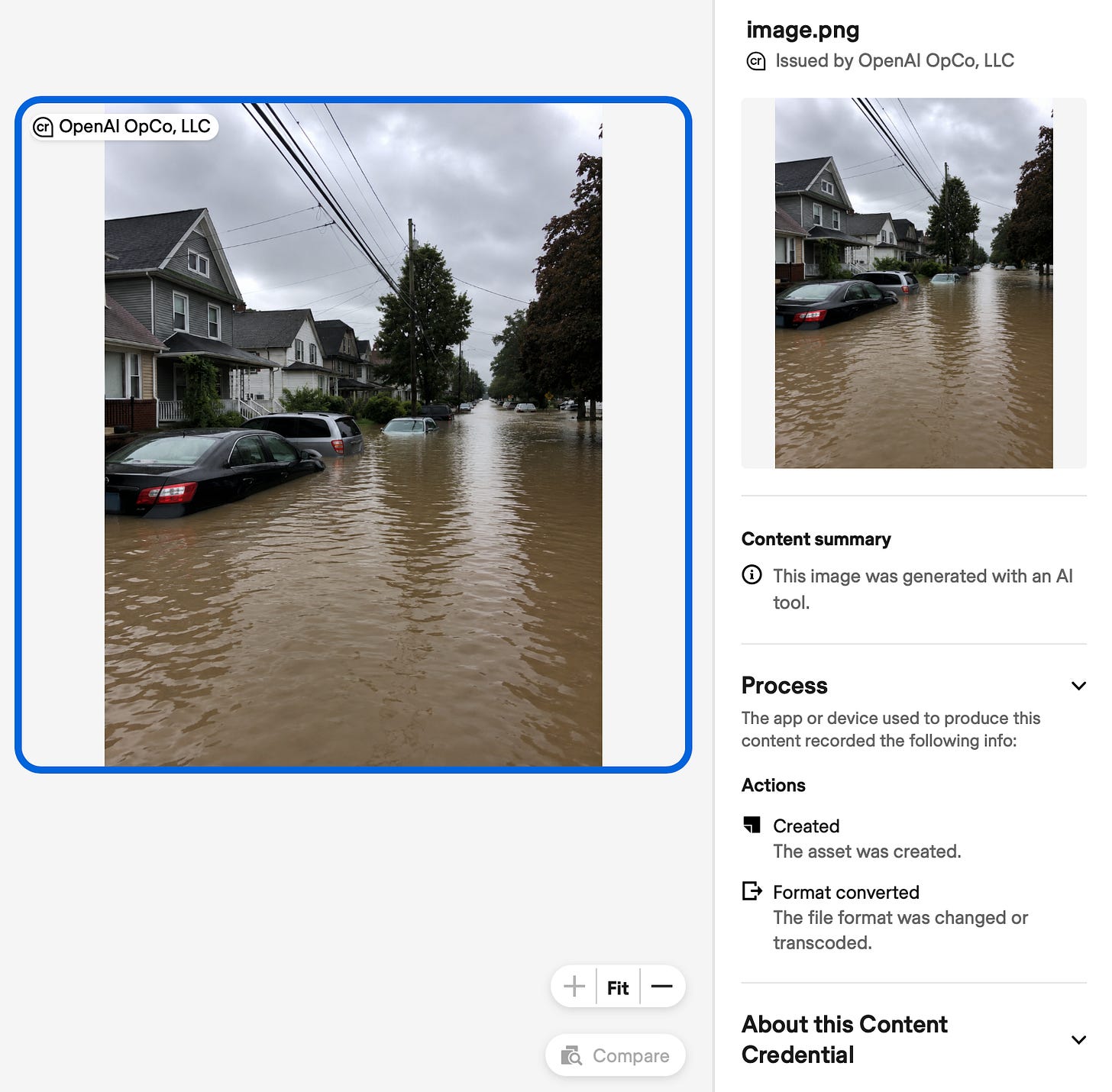
In each of these cases, harm might have been reduced by content provenance metadata: information attached to content that declares how it was produced. (Generally, the term “provenance” refers to a record of where something came from and what happened to it along the way.) Content provenance tools can’t directly prove whether a bare image or video is real or synthetic; no technology reliably can. Instead, they serve as an evidentiary layer of AI governance [...]
---
Outline:
(02:49) What Content Provenance Is and How It Works
(06:51) Limitations of Content Credentials
(12:00) What the EU and California Acts Require
(15:15) The EU and California Laws' Global Impact
(17:43) How Provenance Mandates Support Courts in Tackling Deepfake Evidence
(21:21) Discussion about this post
(21:25) Ready for more?
---
First published:
August 13th, 2026
Source:
https://newsletter.ai-frontiers.org/p/ai-content-must-now-carry-a-label
---
Narrated by TYPE III AUDIO.
---
Images from the article:
Apple Podcasts and Spotify do not show images in the episode description. Try Pocket Casts, or another podcast app.
Avsnitt sparat!
Du hittar sparade avsnitt på Mina sidor.
Kunde inte spara avsnitt
Något gick fel. Försök igen.