The relationship between a not-for-profit CEO and their board chair is arguably the most important leadership relationship. When it's working well, it creates trust, clarity and better governance. When it's under strain, it can affect decision-making, organisational culture, executive performance and mission impact.
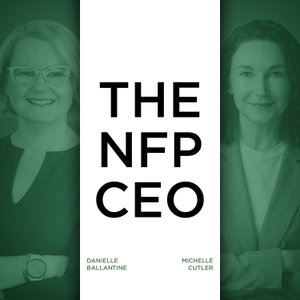
In this episode of The NFP CEO Podcast, Michelle and Danielle unpack the realities of the Chair–CEO relationship, exploring why tension develops, how CEOs can identify early warning signs, and practical strategies for strengthening one of the most critical partnerships in nonprofit leadership.
Whether you're a first-time CEO, an experienced executive, a board chair or a director, this episode offers practical advice for creating a productive, respectful and high-performing governance relationship.
In this episode you'll learn:
- Why the Chair–CEO relationship is the foundation of effective nonprofit governance.
- The common causes of tension between CEOs and board chairs.
- How unresolved conflict impacts organisational culture, leadership teams and board effectiveness.
- Why most Chair–CEO challenges are situational rather than personal.
- How CEOs can identify the real source of conflict before it escalates.
- The importance of regular communication and structured CEO–Chair check-ins.
- How to have difficult conversations without damaging the relationship.
- Why focusing on issues—not personalities—leads to better governance outcomes.
- Strategies for working with an overcommitted board chair.
- Practical advice for first-time CEOs building relationships with their board.
- How experienced CEOs can support first-time board chairs while maintaining good governance.
- What to do when your board publicly challenges your proposal or business case.
- Why curiosity and inquiry are more effective than defensiveness in the boardroom.
- How to receive criticism professionally and move discussions towards constructive outcomes.
- Why understanding your Chair's communication and leadership style matters.
- How to build trust over time through consistency, transparency and strategic alignment.
The most effective leaders avoid making disagreements personal. Instead, they remain focused on organisational outcomes, ask thoughtful questions and work collaboratively to find solutions that benefit the organisation.
When CEOs approach difficult governance conversations with curiosity rather than defensiveness, they strengthen both their leadership and the effectiveness of their board.
Connect with us:
LinkedIn: The NFP CEO: Overview | LinkedIn
Website: thenfpceo.com.au
Michelle Cutler: Michelle Cutler | LinkedIn
Danielle Ballantine: Danielle Ballantine | LinkedIn