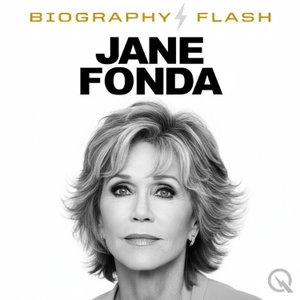
Jane Fonda Biography Flash a weekly Biography.
Jane Fonda’s world in the past few days has been shaped less by her own public moves and more by events and projects that echo her long career as an actress and activist, and those may prove surprisingly important to her evolving biography. The biggest development is the death of director Mark Rydell, the Oscar-nominated filmmaker behind On Golden Pond, the 1981 drama that paired Henry Fonda, Katharine Hepburn, and Jane Fonda and helped define her complicated artistic and personal collaboration with her father. ABC News reports that Rydell died at 97 in Los Angeles of natural causes, with his family confirming the news, and multiple outlets, including The Hollywood Reporter and Irish broadcaster RTE, have highlighted On Golden Pond as his signature work and explicitly noted Jane Fonda’s role opposite her father. In biographical terms, this renewed attention to the film inevitably brings Fonda back into the cultural conversation around intergenerational Hollywood legacies and the way that single landmark projects can crystallize an artist’s public image for decades.
Public tributes have mostly centered on Rydell and his actors rather than offering new direct commentary from Fonda herself; one widely shared Instagram post announcing his passing references On Golden Pond and its stars but does not include a fresh statement from Jane. Any suggestion that she has privately commented on his death beyond what is visible in major outlets remains unconfirmed and should be treated as speculation unless and until a formal statement appears from her representatives or verified accounts.
Another thread with long-term biographical weight is the continuing reassessment of Jane Fonda’s activism and political life. Ohio public radio station WOSU recently featured an interview with Ohio University professor emerita Marilyn S. Greenwald about her new book, Jane Fonda: There’s A Great Deal To Say, which examines Fonda’s trajectory through protest movements, her controversial Vietnam era, and her strategic use of acting choices as part of a broader activist identity. That kind of scholarly treatment, arriving now, suggests Fonda is increasingly being framed as a central case study in celebrity activism rather than just a movie star with a politically turbulent past, a shift that will likely influence how future biographies and documentaries tell her story.
In the media ecosystem, Jane’s name keeps surfacing by association. Los Angeles station KTLA, for instance, recently highlighted fitness personality Sarina Jain as the “Indian Jane Fonda,” a reminder that Fonda’s workout-era persona still serves as shorthand for politically tinged, energetic femininity in pop culture rather than as a relic of the 1980s. Health and lifestyle coverage also continues to recycle past interviews, such as Health Digest revisiting a 2022 CBS News conversation in which Fonda discussed giving up alcohol as she aged, reinforcing an image of her as candid about aging, wellness, and reinvention.
Meanwhile, the broader Fonda family remains newsworthy. Multiple outlets from Page Six to the New York Post and regional international press have covered Bridget Fonda’s rare public outing in Los Angeles, noting her ongoing retreat from Hollywood and her contentment with civilian life. Though this story focuses on Bridget, the persistent public fascination with the Fonda name keeps Jane within an extended narrative of a dynastic Hollywood family that keeps rewriting its relationship to fame.
That’s the latest on Jane Fonda’s world for now. Thank you for listening, and be sure to subscribe so you never miss an update on Jane Fonda, and search the term Biography Flash for more great biographies. Thanks for listening. This has been a Quiet Please production.
Get the best deals https://amzn.to/3ODvOta